
Earned-wage access in Africa: the end of the salary-advance queue

Every HR manager in Lagos or Nairobi knows the third week of the month. That's when the salary-advance requests start: a school fee due, a medical bill, a landlord who won't wait. The money exists; the employee earned it. It just isn't payday yet.
What earned-wage access actually is
Earned-wage access (EWA) lets an employee withdraw part of the salary they have already earned this month, before payday, straight to their bank account or mobile wallet. It is not a loan. There's no interest, no credit check, and nothing to "pay back". The amount is simply reconciled in the payroll run.
Why it beats the alternatives
- Against informal loans: payday lenders and loan apps charge brutal effective rates. EWA costs little or nothing, because the employee is accessing their own money.
- Against salary advances: advances put HR in the awkward role of judge: who deserves help this month? EWA replaces discretion with a rule: you can access what you've earned, within limits you set.
- Against doing nothing: financial stress follows people to work. Employees juggling debt are distracted, absent more often, and far more likely to leave for a small raise.
Advances make HR the bank and the judge. Earned-wage access makes payday flexible, and takes HR out of the middle.
What a well-designed EWA program looks like
- Employer-set limits. Cap withdrawals (say, 30-50% of earned pay) so payday still lands meaningfully.
- Zero payroll admin. Withdrawals reconcile automatically in the month's run, with no spreadsheets tracking who owes what.
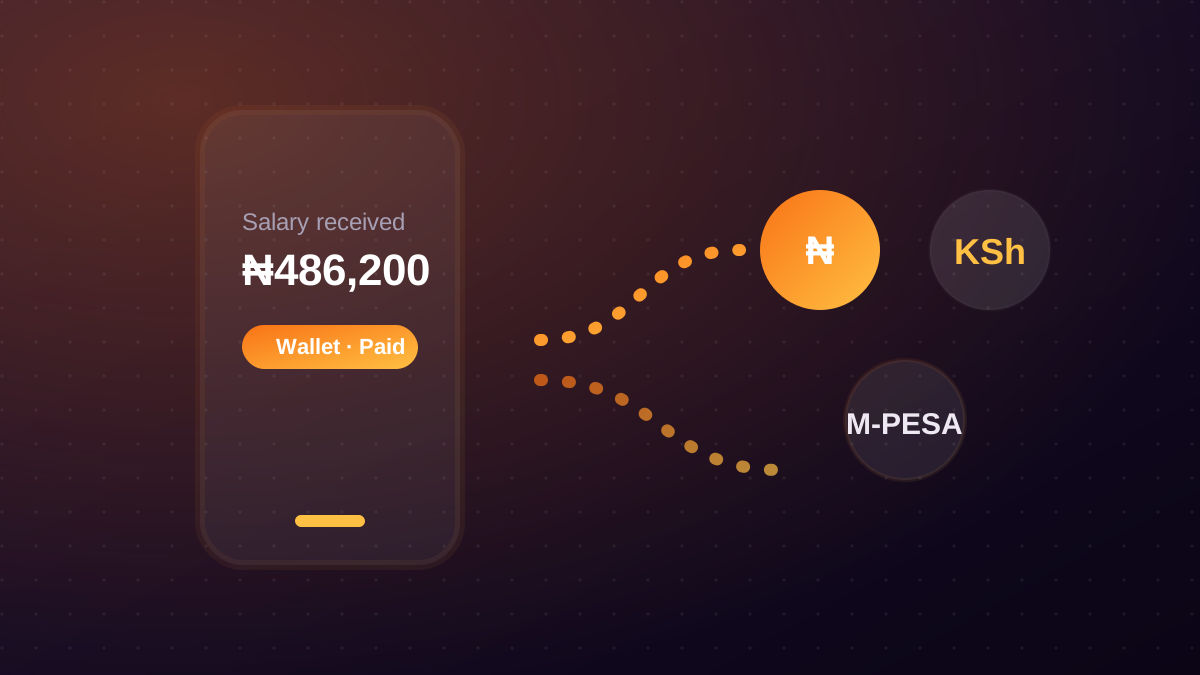
- Wallet and bank payout. In markets where staff live on mobile money, EWA must speak M-PESA and friends fluently.
- Nudges toward saving. The best programs pair access with gentle guidance, so flexibility doesn't become dependency.
The business case
Companies that deploy EWA consistently report fewer advance requests hitting HR, better retention in frontline roles, and a genuinely differentiated offer when hiring. XceedEarlyBird builds all of this into Xceed365HR: earnings tracked daily, limits you control, instant payout to bank or wallet, and automatic reconciliation at payroll, with no extra work for your team.
See how Xceed365HR handles this for you
Your payroll, your compliance, your people: one platform, one free demo.
Keep reading
The retention playbook: keeping your best people without matching global salaries
Mid-market African companies lose talent to bigger paycheques every day. Here's what actually keeps people, beyond money.
Mobile-money payroll: paying every worker, banked or unbanked
Across Africa, wallets reach where banks don't. Here's how payroll teams pay everyone on time, including staff without bank accounts.

Nigeria payroll compliance in 2026: what HR leaders need to know
PAYE, PENCOM, NHF, NSITF, ITF, and what the new tax reforms mean for your payroll from January 2026.