
Nigeria payroll compliance in 2026: what HR leaders need to know

Running payroll in Nigeria means keeping five different government agencies happy, every single month. Miss a deadline and you face penalties, interest, and awkward questions from your board. This guide walks through each obligation in plain language, plus what changed with the new tax laws.
The five statutory deductions, at a glance
| Obligation | Who pays | Typical deadline |
|---|---|---|
| PAYE (Pay As You Earn income tax) | Deducted from employees | 10th of the following month |
| Pension (PENCOM: 8% employee + 10% employer) | Both | Within 7 working days of paying salaries |
| NHF (National Housing Fund, 2.5% of monthly salary) | Deducted from employees (voluntary in the private sector since 2022) | Within one month of deduction |
| NSITF (Employee Compensation, 1% of payroll) | Employer | Last working day of the month |
| ITF (Industrial Training Fund, 1% of payroll) | Employer | Annually, by 1 April |
A note on NHF: since the Business Facilitation Act 2022, NHF contributions are compulsory for public-sector employees and voluntary for private-sector employees. If your staff opt in, the deduction and the one-month remittance deadline still apply.
Quick check: what is manual payroll actually costing your team? Get an instant estimate in your own numbers, free.
Open the savings calculator →What the tax reforms change from January 2026
Nigeria's tax reform acts, signed in 2025, took effect in January 2026. For payroll teams, the headlines are:
- New personal income tax bands. The old bands are replaced with a more progressive structure: the lowest earners pay no tax at all, while higher earners pay more at the top end.
- Relief allowances changed. The Consolidated Relief Allowance is gone. In its place is a rent relief of 20% of annual rent paid, capped at ₦500,000. Your gross-to-net calculations need rebuilding, not patching.
- One revenue service. The FIRS became the Nigeria Revenue Service (NRS), with a push toward unified digital filing.
The mistake most teams make? Updating tax tables in a spreadsheet and hoping. One wrong band and every payslip in the company is wrong.
Put the whole year in your calendar: every PAYE, pension, NHF, NSITF and ITF deadline for 2026, with reminders, in one click.
Get the calendar →A monthly compliance rhythm that works
- Before payday: confirm new hires, exits and salary changes are captured; run gross-to-net; review variances against last month.
- On payday: pay salaries and immediately schedule pension remittance (that 7-working-day clock starts now).
- By the 10th: remit PAYE to the tax authority of each state where your people live. PAYE follows the employee's state of residence, not your office address.
- Monthly close: remit NSITF (and NHF for staff who contribute) by the last working day, reconcile, and file the returns with evidence saved for audit.
Where teams get burned
- Multi-state PAYE. Remote and hybrid staff mean you may owe several state tax authorities, each with its own portal.
- 13th month and bonuses. One-off payments are taxable and often mishandled in the month they land.
- Exits. Final settlements have their own tax treatment; getting them wrong creates liabilities that surface years later.
This is exactly the busywork payroll software should own. XceedPay keeps Nigeria's statutory engine, with bands, reliefs and deadlines built in and updated, calculates gross-to-net automatically, and generates remittance schedules for every agency. Your team reviews and approves; the system does the arithmetic.
See how Xceed365HR handles this for you
Your payroll, your compliance, your people: one platform, one free demo.
Keep reading
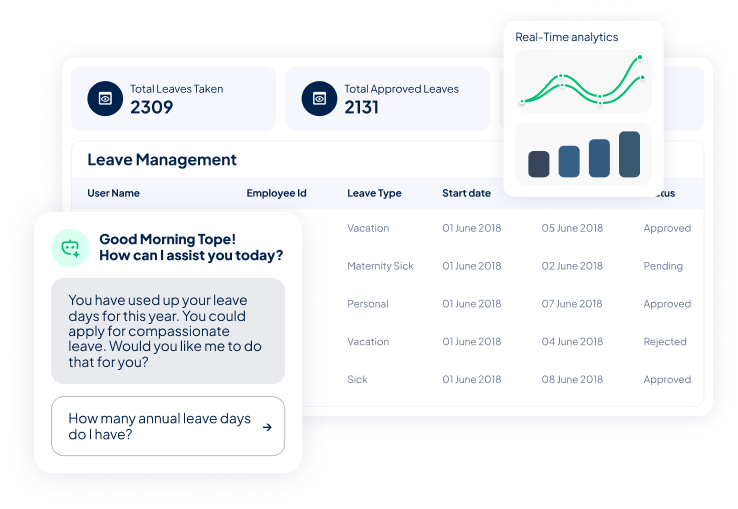
What is agentic HR? How AI agents are quietly taking over HR busywork
The difference between a chatbot that answers questions and an agent that finishes the job, and what it means for your team.
SHIF, NSSF and the housing levy: running compliant payroll in Kenya
A practical guide to Kenya's statutory deductions: what to deduct, what to match, and when to remit.

Earned-wage access in Africa: the end of the salary-advance queue
Why letting staff reach pay they've already earned beats loans, advances and awkward conversations at the HR desk.